

Pregnancy + Postpartum Mental Health Therapy in Ann Arbor, Michigan
If you feel slightly emotionally feral right now: welcome
Honest support for the anxiety, overwhelm, rage, intrusive thoughts, identity shifts, and nervous system chaos nobody prepared you for.
Pregnancy and postpartum can be beautiful.
They can also be overwhelming, isolating, identity-shifting, emotionally brutal, and honestly… nothing like what most of us expect.
One minute you’re being told this is “the happiest time of your life.”
The next you’re: googling intrusive thoughts in the middle of the night, rage-crying because your partner chewed too loudly, terrified something bad will happen to the baby, wondering why everyone else seems to be handling motherhood better than you, and/or feeling deeply guilty that you’re struggling at all.
At Hive Wellness Collective, we provide therapy + medication support for pregnancy and postpartum mental health because while struggling after having a baby is common, we firmly believe that pretending you’re fine through it should not be.

At Hive Wellness Collective, we work with mothers and birthing people navigating the very real emotional, mental, relational, and nervous system changes that can come with pregnancy, postpartum, and early parenthood.
sometimes that can look like:
And sometimes it simply looks like just trying to survive one overwhelming day at a time while carrying an absolutely outrageous amount of responsibility and emotional labor nobody fully prepared you for.
At Hive, we believe struggling during pregnancy or postpartum does not make you a bad parent.
It makes you human.
Therapy for pregnancy, postpartum, and the transition into parenthood*
*not just the Instagram version
At Hive, we support the FULL reality of pregnancy and postpartum.
Including and not limited to:
the version where you love your baby so much it physically hurts… but also briefly fantasize about checking into a silent hotel room alone for 48 uninterrupted hours with absolutely nobody touching you.
The version where you’re so overstimulated by constant noise, crying, touching, questions, notifications, pumping schedules, and sensory input that someone asking:
“what’s for dinner?”
feels like a genuine threat.
The version where everyone keeps asking how the baby is doing while you quietly feel like your own brain and body have been launched into another dimension.
We support moms navigating postpartum anxiety, depression, intrusive thoughts, panic attacks, birth trauma, rage, relationship stress, feeding struggles, ADHD overwhelm, sensory overload, identity shifts, nervous system burnout, and the absolutely crushing invisible mental load that somehow gets handed to mothers approximately 14 seconds after giving birth.
And we do it without toxic positivity.
You will never be told to:
“just enjoy it,”
“be grateful,”
“sleep when the baby sleeps,”
Because we believe moms deserve support that is honest, validating, evidence-based, and most importantly: human, not support that makes them feel like they’re failing because motherhood is messier, louder, lonelier, and more overstimulating than anyone’s social media makes it look.
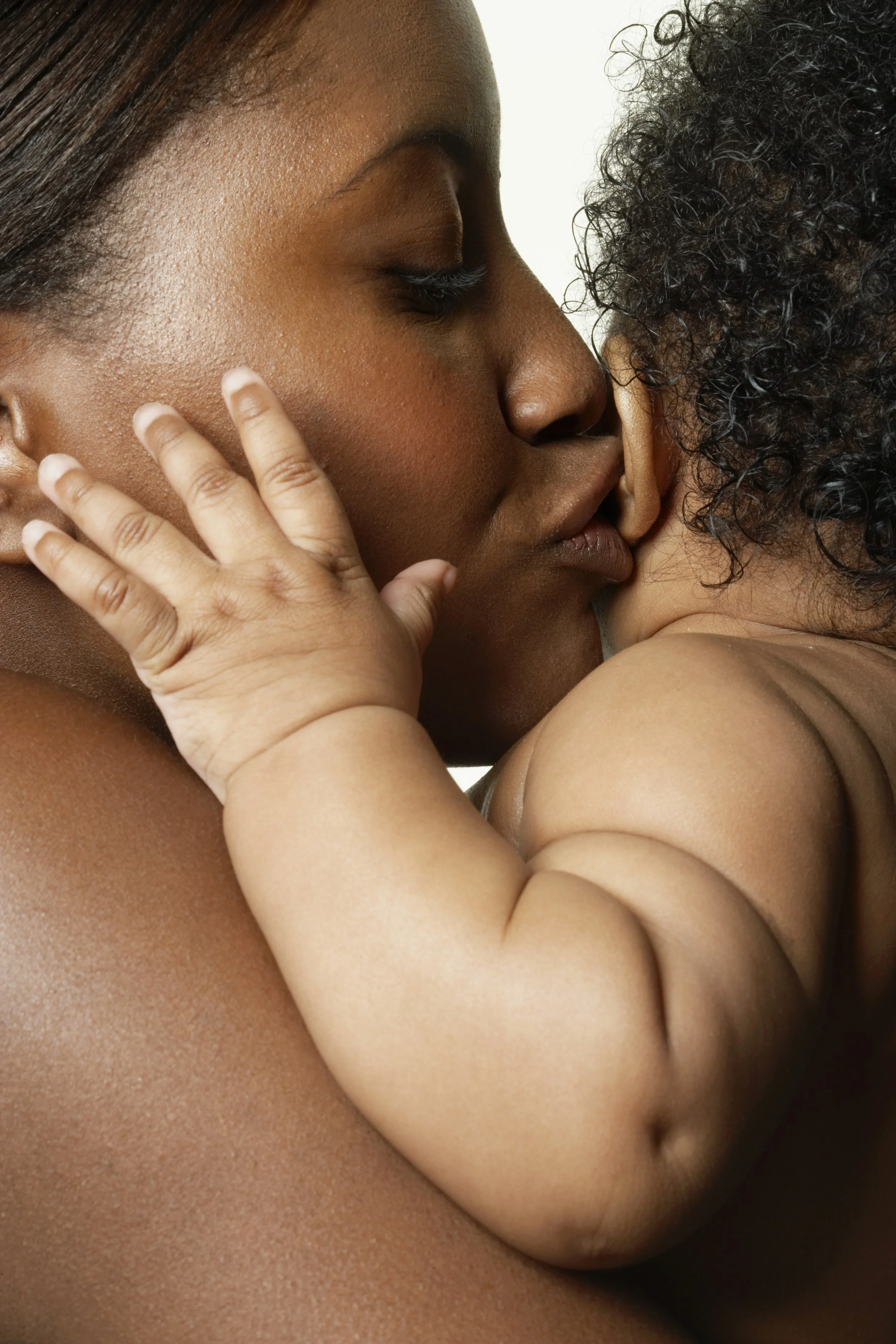
Therapy + medication support for pregnancy + postpartum
Because sometimes coping skills alone are not enough when your hormones and nervous system are both fighting for their lives.
Pregnancy and postpartum create massive shifts in hormones, brain chemistry, sleep, identity, and nervous system regulation.
For some women, therapy is incredibly helpful on its own.
For others, medication support can also make a huge difference , especially when anxiety, depression, panic, OCD symptoms, intrusive thoughts, insomnia, ADHD symptoms, or emotional overwhelm start interfering with daily life.
Our psychiatric providers offer thoughtful, collaborative support during pregnancy and postpartum. That means honest conversations about medication options, risks, benefits, breastfeeding considerations, symptom management, and what support might actually help you feel more functional, regulated, and emotionally balanced again.
You do not need to be out trying to raw-dog postpartum anxiety while completely unraveling. Needing support does not make you weak. It does not make you a bad mom. And it definitely does not mean you’re failing motherhood.
It means you’re a human with a brain, hormones, a nervous system, and an enormous life transition happening all at once.
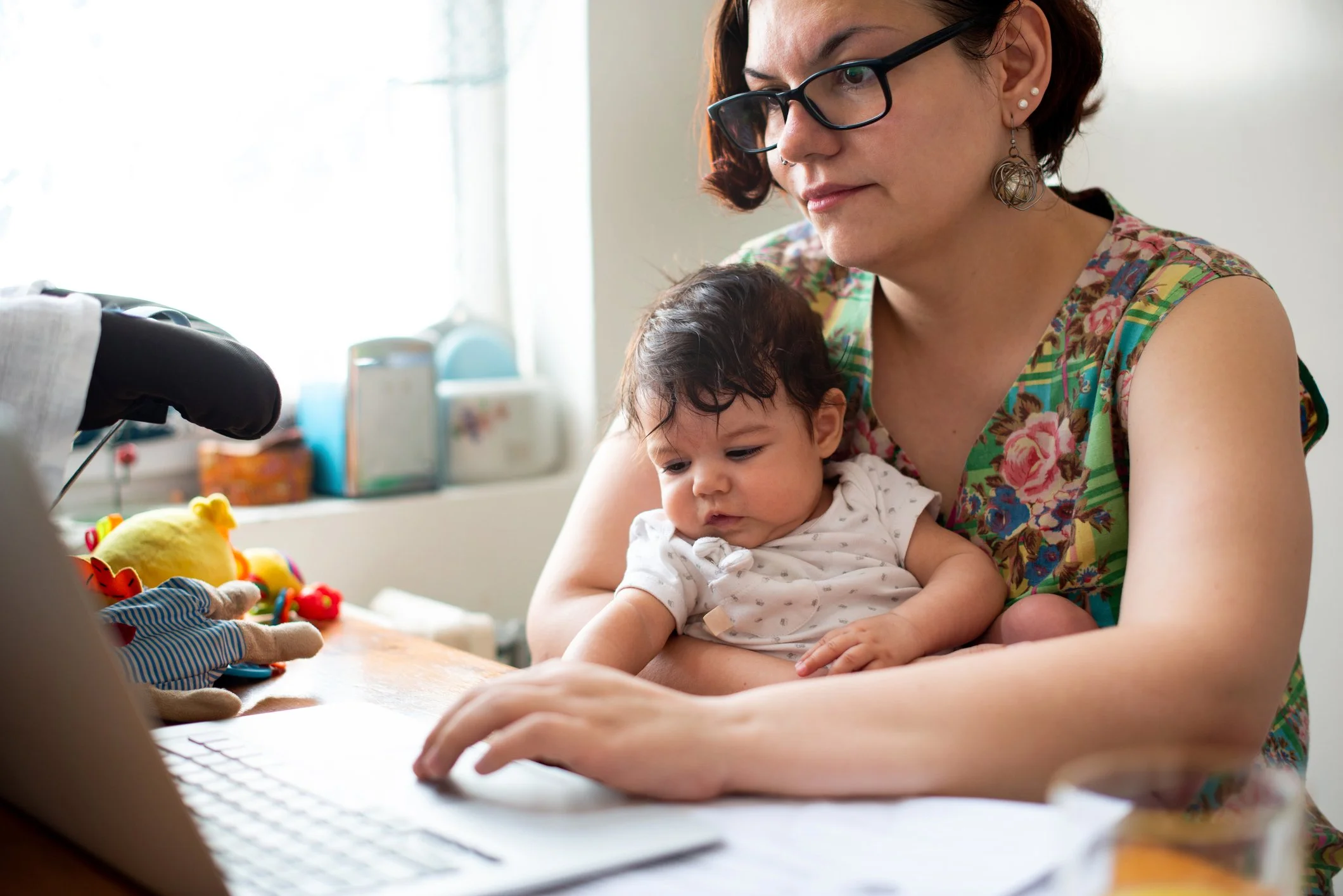
ADHD, overstimulation & motherhood
Why does everyone suddenly need me so loudly?
Pregnancy and postpartum can absolutely intensify ADHD symptoms and nervous system overwhelm.
A lot of neurodivergent moms suddenly find themselves struggling to keep up in ways they never have before. Executive functioning tanks. Sensory overload skyrockets. Emotional regulation becomes harder. The constant interruptions, noise, touch, clutter, sleep deprivation, and mental load can make everyday life feel genuinely impossible sometimes.
At Hive, we provide neurodiversity-affirming support that understands the connection between ADHD, hormones, sensory overwhelm, executive functioning, emotional regulation, identity shifts, and motherhood.
No shame.
No “just get more organized.”
No pretending a planner and a morning routine are going to magically fix chronic overstimulation and systemic maternal burnout.
Just honest, validating support for moms whose nervous systems are doing the absolute most.
Intrusive thoughts in postpartum
AKA: the thing almost nobody talks about because moms are terrified someone will think they’re dangerous.
Intrusive thoughts during postpartum are incredibly common, and incredibly scary when you don’t understand what’s happening.
A lot of moms experience sudden unwanted thoughts that feel disturbing, alarming, or completely out of character. And because nobody talks openly enough about postpartum anxiety and postpartum OCD, many women immediately spiral into:
“what kind of mother thinks something like this?”
The truth is: intrusive thoughts do NOT mean you want to hurt your baby.
In fact, these thoughts often happen precisely because your brain is hyper-alert and desperately trying to protect what you love most.
But when women don’t understand that, they suffer silently for months, terrified to tell anyone what’s happening inside their head.
You deserve support that helps you understand what’s happening instead of sitting alone at 3am aggressively googling your symptoms while holding a baby and having a nervous breakdown. Lucky for you, you’re in just the right place.
Because becoming a parent can emotionally body slam everyone involved.

Partners + Non-Birthing Parents Can Struggle, Too
Pregnancy and postpartum don’t just affect the person giving birth.
A lot of partners and non-birthing parents quietly struggle too, especially while trying to support someone they love, survive chronic sleep deprivation, navigate massive life changes, hold everything together, and function like a stable human while their entire household is running on fumes.
Sometimes it looks like anxiety.
Sometimes irritability.
Sometimes emotional shutdown.
Sometimes feeling disconnected from your partner, yourself, or the version of life you thought this season would look like.
And because postpartum conversations so often focus (understandably) on the birthing parent, many partners end up silently struggling while thinking:
“I should be handling this better.”
At Hive, we support moms, partners, co-parents, non-birthing parents, and families navigating the very real emotional impact of pregnancy and postpartum because fun fact: sleep deprivation, hormones, identity shifts, screaming babies, emotional overload, relationship stress, and surviving entirely on caffeine and survival instincts can impact everyone in the house.
Parenthood doesn’t only happen one way
The transition into parenthood can completely rearrange your identity and nervous system regardless of how your child entered your life.
Not every path to parenthood starts with pregnancy and birth.
Some families are built through adoption, foster care, surrogacy, IVF, donor conception, and other paths to parenthood that often get left out of traditional postpartum conversations entirely.
But becoming a parent can still completely flip your world upside down.
A lot of adoptive parents, foster parents, non-birthing parents, and LGBTQ+ families still experience anxiety, burnout, overwhelm, identity shifts, relationship stress, sleep deprivation, attachment worries, and the absolutely unhinged experience of your entire life changing overnight while everyone expects you to magically know what you’re doing.
At Hive Wellness Collective, we support families navigating adoption, foster care, surrogacy, infertility, donor conception, and different paths to parenthood with support that actually acknowledges how emotionally huge becoming a parent can be, regardless of how it happened.
Because becoming a parent is a lot.
Full stop.

Relationships after baby:
Nothing says romance like aggressively whispering at each other at 2am while holding a screaming baby.
Pregnancy and postpartum can hit relationships HARD.
It turns out that sleep deprivation, hormonal changes, unequal mental loads, resentment, identity shifts, overstimulation, and keeping a tiny screaming human alive are not especially romantic.
A lot of couples suddenly feel disconnected from each other. Conversations become transactional. Everyone is exhausted. Nobody feels seen. Intimacy changes. Patience disappears.
And underneath all of that is usually two overwhelmed humans trying very hard not to drown.
Therapy can help couples reconnect, communicate more honestly, navigate resentment, adjust to parenthood together without quietly becoming enemies over bottle parts and whose turn it is to wake up.
Pregnancy and postpartum change everything.
Your body. Your brain. Your nervous system. Your relationships. Your identity.
This season can bring anxiety that feels consuming. Rage that makes absolutely no sense to you. Intrusive thoughts that terrify you. Sensory overload so intense that another person touching you feels spiritually offensive.
It can feel lonely. Overwhelming. Disorienting.
A lot of moms find themselves wondering: “Why does this feel so much harder than I thought it would?”
And because motherhood is so heavily filtered through curated social media nonsense and “cherish every moment” messaging, many women assume they’re failing instead of recognizing:
“…maybe this is actually an enormous hormonal, physical, emotional, and neurological transition and perhaps I deserve support.”
Radical concept, we know.
Despite what the internet says, postpartum is not always a soft-focus montage set to acoustic guitar music. Sometimes it’s crying because the baby won’t sleep and then crying because the baby DID sleep but now you’re convinced something is wrong.
And you deserve support for that, too.
wherever you are, we’re here to help

In-person
-
Meet with our team in Ann Arbor for support related to postpartum anxiety, depression, intrusive thoughts, birth trauma, relationship stress, parenting overwhelm, identity shifts, burnout, and more in a warm, welcoming environment designed to help mothers and families feel understood.

-
Need flexibility? We offer virtual therapy throughout Michigan so mothers, birthing people, couples, and families can access support from the comfort of home.
Whether you’re struggling with anxiety, intrusive thoughts, emotional overwhelm, burnout, relationship stress, or adjusting to life after baby, our team is here to help.
Online